
How to Choose the Right Size Whole House Fan in Aliso Viejo, CA
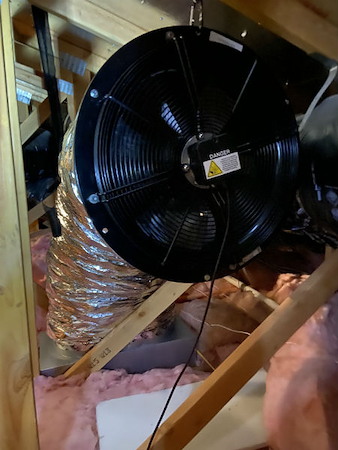
Picking the right size whole house fan matters. The goal is fast, even cooling that feels natural, not noisy blasts of air. In Aliso Viejo, our warm afternoons and cooler evenings set you up for success, especially when you match fan airflow to your floor plan, attic breathing, and comfort goals. If you want a quiet, high-performance option built for California homes, start by browsing Centric Air whole house fans.
What “Right Size” Means For Whole House Fans In Aliso Viejo
“Right size” is not just a number. It is how quickly your rooms reset after sunset, how quiet the fan sounds by the bedrooms, and whether your attic can relieve the airflow without back pressure. For Aliso Viejo neighborhoods near the hills and coastal breezes, evenings usually cooperate, so sizing for steady, comfortable air exchanges is the sweet spot.
Step 1: Start With Your Home’s Volume And Layout
The fan must move enough air to refresh your living spaces in a short window after the outside cools. Bigger, open floor plans and vaulted ceilings hold more warm air and usually call for higher airflow than compact, single-story homes with standard ceilings.
Two-Story Versus Single-Story
Two-story homes in Aliso Viejo often build up heat upstairs through the day. Placing a fan near the top of the stairs or a central hallway helps pull a smooth column of cool air through bedrooms and lofts. When people ask about “whole house fan CFM for two-story homes,” the practical answer is this: choose airflow that clears the upper level quickly without creating window whistling or grille noise.
Ceiling Height And Open Floor Plans
Taller ceilings and great rooms increase the air volume you need to turn over. If your kitchen, dining, and family room are one big space, plan on a fan size that moves air through that zone first, so the upstairs benefits right after.
Step 2: Consider Climate And Evening Temperatures
Aliso Viejo sees warm afternoons followed by cooler, drier evenings most of the year. That pattern favors whole house fans. On typical summer nights, you will open a few windows and let the fan sweep out stored heat from walls and furniture. Inland pockets may cool a little later than coastal areas, so pick a size that can work within your usual evening window.
Local insight: Many Aliso Viejo homes cool fastest when a couple of upstairs windows are cracked plus one downstairs on the shaded side. Avoid running the fan during poor air quality or wildfire smoke, and never operate it while any gas appliance is on.
Step 3: Do Not Forget Attic Venting And Ducting
Air that enters your windows must exit through the attic. If the attic cannot relieve the airflow, performance drops and noise can rise. Ask about your net free vent area and whether your roof, ridge, and gable vents provide enough relief for the fan size you want. Modern, ducted systems with insulated dampers and acoustic ducting also help keep bedrooms quiet while you sleep.
Step 4: Noise, Bedrooms, And Comfort Goals
Noise is personal. Some homeowners prefer a steady hum that fades into the background. Others want library-level quiet. Choose a fan that balances airflow with sound at the locations you care about most. If you love sleeping with windows cracked and a gentle breeze, let that guide your final size.
Step 5: Matching Fan Choices To Common OC Home Sizes
If you are comparing the “best whole house fan size for 2,000–3,000 sq ft homes,” think about how your family uses the space. A 2,100 sq ft two-story with a big loft might lean toward a higher airflow model to reset upstairs quickly. A 2,800 sq ft home with smaller, separated rooms could do well with a fan that emphasizes quiet operation and steady air movement rather than peak speed.
- Two-story with upstairs bedrooms and open stair: choose airflow that focuses on fast evening cooldowns upstairs.
- Open-concept first floor with vaulted ceiling: size up slightly so the main living area resets before bedtime.
- Townhome or smaller single-story: consider a quieter, mid-range model that keeps conversations easy and sleep calm.
When A Larger Model Makes Sense
Go bigger if evenings cool later where you live, if your home gains a lot of afternoon sun, or if you want a short, targeted run time before bed. Larger airflow can also help when your second story traps heat in a central loft or long hallway.
When A Smaller Model Works Well
Choose a smaller or mid-range model if you have standard ceilings, compact rooms, and good cross-ventilation with windows you already open. Smaller fans often satisfy homeowners who prize very quiet operation and plan to run the system longer at lower speeds.
Location, Windows, And Real-World Use
Placing the fan near the top of the stairs or a central hall usually sends fresh air to every bedroom. Crack a couple of windows on the cool side of the house and one on the opposite end to create a smooth path. In Aliso Viejo, canyon and coastal breezes often arrive after dinner, so a quick run before bedtime can reset the whole home.
Models That Fit Local Homes
Many Aliso Viejo homeowners choose quiet, ducted systems that pair high airflow with low sound. If you want premium engineering and ultra-quiet performance, review the options on Centric Air whole house fans. If you prefer a strong, value-forward choice with dependable cooling, explore QA-Deluxe whole house fans. Both approaches focus on balanced airflow, insulated dampers, and a clean grille design that looks good in a hallway or landing.
Attic Relief And Window Strategy Checklist
- Confirm attic relief so the fan can breathe. Balanced roof, ridge, or gable vents help your fan size perform as expected.
- Open a couple of windows in the rooms you want to cool first. Keep paths short from windows to the fan location.
- Watch evening patterns at your address. Start the fan when outdoor air feels cooler than indoors.
- Keep doors cracked so hallways, lofts, and bedrooms share airflow.
What About Energy Use And AC?
Whole house fans shine when the outside is cooler than inside. Many homeowners let the fan handle evenings and mornings, then rely on AC during the hottest mid-day hours. This blended routine supports comfort and may reduce wear on your AC. If you want a simple way to revisit the basics or share them with a spouse, bookmark our homepage link to whole house fans in Aliso Viejo, CA and keep the big picture handy.
Common Questions We Hear In Aliso Viejo
Will it be too loud? Modern ducted systems are designed for quiet operation, especially when paired with the right grille and location. If noise worries you, pick a model that lets you run a lower speed for longer.
Is my home too big? Likely not. Larger homes can benefit from higher airflow or a multi-zone strategy. Your consultant will guide you toward a size that fits your layout and windows.
Do I need more attic vents? Sometimes. Your installer can assess your roof and recommend relief venting so the fan size you choose can perform without strain.
Real-World Examples Around Town
In a two-story near Aliso and Wood Canyon, an upstairs hallway fan cleared lingering loft heat in minutes after sunset. A single-story near Aliso Viejo Town Center favored a quieter model that ran longer at night for calm bedrooms. Homes closer to Laguna Niguel sometimes start later, then enjoy a quick cooldown before bed. The best size is the one that fits your routine and microclimate.
Your Next Step With Comfort Cool Fans
Ready to feel the difference? Take the simple path to fresher evenings and calmer bedrooms with a pro-sized system that is right for your Aliso Viejo home. Explore models and schedule a visit here: Centric Air whole house fans.