
How Much Can You Save on Energy Bills with a Whole House Fan?
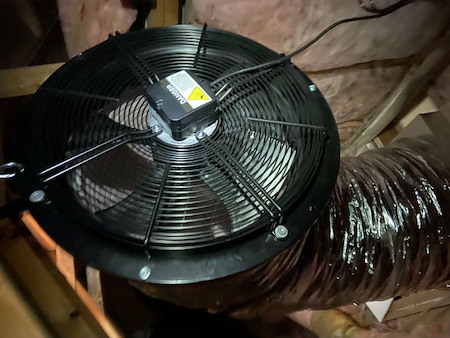
Looking to cut your summer electric bill in Foothill Ranch, CA without giving up comfort? A whole house fan can move a lot of cool evening air through your home while using a fraction of the power of central AC. Below we break down realistic, California-based savings examples, show how the numbers pencil out, and share local factors that help your home feel cooler for less. If you want to browse quiet, high-efficiency options, you can explore our current whole house fan models.
Why Whole House Fans Cut Energy Use in Foothill Ranch
Afternoons in Foothill Ranch, Baker Ranch, and nearby Portola Hills can run warm, but nights often cool down with coastal breezes. That swing is perfect for a whole house fan. The system flushes out hot, stale indoor air and replaces it with cooler outdoor air, often dropping indoor temperatures quickly after sunset. Because a whole house fan uses far less electricity than a compressor-driven AC, the hours you shift from AC to fan operation turn into direct savings.
- Typical central AC draws about 3 to 4 kW while running. A quality whole house fan often uses about 0.3 to 0.9 kW depending on size and speed.
- Every hour shifted from AC to a fan can save several kilowatt-hours on higher-rate summer evenings.
What Savings Look Like at California Electricity Rates
To keep things simple and honest, the examples below use two common residential rate points seen in California in recent years: $0.32 per kWh and $0.40 per kWh. These are estimates for modeling, not a guarantee. Your actual rate depends on your utility plan and usage tier.
Assumptions for all scenarios:
- 3.5 kW central AC
- 0.6 kW whole house fan
- Home size and insulation typical for a Foothill Ranch single-family residence
| Scenario | Baseline AC Use (No Fan) | With Whole House Fan | Daily kWh Saved | Daily $ Saved @ $0.32 | Daily $ Saved @ $0.40 |
|---|---|---|---|---|---|
| Mild Evening Cooldown | AC 4 hrs = 14.0 kWh | AC 1 hr (3.5 kWh) + Fan 3 hrs (1.8 kWh) = 5.3 kWh | 8.7 kWh | $2.78 | $3.48 |
| Typical Summer Night | AC 6 hrs = 21.0 kWh | AC 3 hrs (10.5 kWh) + Fan 4 hrs (2.4 kWh) = 12.9 kWh | 8.1 kWh | $2.59 | $3.24 |
| Hot Inland Day Relief | AC 8 hrs = 28.0 kWh | AC 2 hrs (7.0 kWh) + Fan 6 hrs (3.6 kWh) = 10.6 kWh | 17.4 kWh | $5.57 | $6.96 |
These scenarios show how shifting the heaviest evening cooling to a fan can make a meaningful dent in daily energy use. Even in a typical summer night case, the fan cuts more than a third of cooling energy.
Local insight: In much of Orange County, indoor heat loads drop fast after sunset. When outdoor air turns cooler than indoors, whole house fans can clear attic and living-space heat quickly. That temperature swing is where the biggest savings show up on your bill.
Example Savings: Monthly and Seasonal Estimates
Using the daily numbers above, here is what savings could look like over a 30‑day month and a four‑month warm season. This is not a promise, just a transparent estimate to help you budget and compare.
| Scenario | Monthly $ Saved @ $0.32 | Monthly $ Saved @ $0.40 | 4-Month Season $ Saved @ $0.32 | 4-Month Season $ Saved @ $0.40 |
|---|---|---|---|---|
| Mild Evening Cooldown | $83 | $104 | $333 | $417 |
| Typical Summer Night | $78 | $97 | $312 | $388 |
| Hot Inland Day Relief | $167 | $209 | $668 | $836 |
Many Foothill Ranch homeowners fall somewhere between the first and second scenarios most of the summer, then approach the third during hotter stretches in Lake Forest, Mission Viejo, or inland-facing slopes near the canyon.
Whole House Fan vs. AC: Power Use At A Glance
Here is a quick view of how the equipment stacks up.
- Whole house fan: Often 0.3 to 0.9 kW while running, moves large air volumes to purge heat and pull in cooler air.
- Central AC: Commonly 3 to 4+ kW while running, removes heat by compression and uses more electricity per hour.
- Result: Replacing several AC hours with fan hours can reduce total cooling energy significantly, especially on time-of-use plans with higher evening rates.
For a deeper explanation and additional homeowner stories, browse our local resource page at whole house fan tips. You will find ideas on comfort strategies, attic airflow, and what to expect the first week with a new system.
Local Factors That Boost Savings In Orange County
Foothill Ranch sits at the edge of the Santa Ana Mountains, where late-day breezes and nighttime cool-downs are common for much of the summer. Those patterns help the fan work faster and let you lean less on AC during peak-rate periods. Homes near Trabuco Canyon and Portola Hills often cool even quicker after sunset because they see stronger air movement in the evening.
Other conditions that tend to increase savings:
- Homes that gather afternoon heat in attic and upstairs rooms
- Families who are home in the evening and want quick comfort without running AC for hours
- Time-of-use electric plans that charge more from late afternoon into the evening
If you are comparing models or want help sizing for your square footage and attic volume, our team at Comfort Cool Fans can walk you through options and show you what similar Orange County homes have chosen. You can review current inventory and specifications on our whole house fan catalog.
Sizing, Noise, And Installation Considerations
Right-sizing matters. Too small and you do not move enough air. Too large and you may create drafts or unnecessary noise. A balanced approach considers floor area, ceiling height, attic venting, and preferred sound levels. Many modern systems include multiple speeds, acoustic treatments, and insulated dampers for off-season comfort.
Professional installation helps ensure airtight framing, correct electrical, and safe attic ventilation paths. See what is included when you schedule with our team by visiting installation services. Our licensed installers focus on clean lines, quiet performance, and proper sealing so the fan integrates with your daily routine.
How These Estimates Apply To Your Home
No two homes are the same. Age of construction, window orientation, attic insulation, and occupancy patterns all affect your outcome. That is why savings estimates are ranges, not promises. We encourage you to look at your last summer bill and compare how many hours your AC typically ran during the hottest months. Then plug your numbers into the simple math below.
Back-of-the-envelope formula: Daily savings ≈ (AC hours replaced × 3.5 kWh) − (fan hours added × 0.6 kWh), then multiply by your kWh rate. If you run fewer AC hours than the examples above, your savings will likely land on the lower end of the range. If your home runs AC longer through hot evenings, savings can be higher.
Comfort Benefits You Will Notice
Beyond the bill, homeowners often report that their homes feel fresher and cooler upstairs within minutes when conditions are right. A powerful, quiet system can move stagnant air out of the attic and create a comfortable flow through bedrooms and hallways. That helps you sleep better and start the next day with a cooler house, which can also reduce the next afternoon’s AC runtime.
Signs a whole house fan may be a strong fit for your Foothill Ranch home:
- Upstairs stays warm long after sunset even with AC cycling
- Attic gets very hot during late afternoon and early evening
- You have the option to use the system during cooler evening or morning periods
Putting It All Together For Foothill Ranch
Let us connect the dots. In our “Typical Summer Night” example, you shift about three AC hours to a fan on most evenings. At $0.40 per kWh, that simple change can trim close to $100 off a summer month. If your home sits on a warmer, inland-facing slope or has a sun-heavy roof, your results might look closer to our “Hot Inland Day Relief” case. On milder weeks with marine influence drifting up from Irvine, the “Mild Evening Cooldown” case is more likely.
If you want a deeper dive into strategies, visit our educational hub at whole house fan tips. You will find plain-language guides written for Orange County homeowners comparing cooling options and comfort outcomes.
To learn more about whole house fan energy savings and how they compare to other cooling choices in our area, our team is happy to review your goals and show you what neighbors in Lake Forest and Mission Viejo typically install.
Ready To Lower Your Electric Bill?
Note: Savings vary by home size, insulation, occupancy, outside temperatures, and rate plan. Estimates shown here are for planning only.