
Do You Need Both an Attic Fan and a Whole House Fan Together in Orange County, CA?
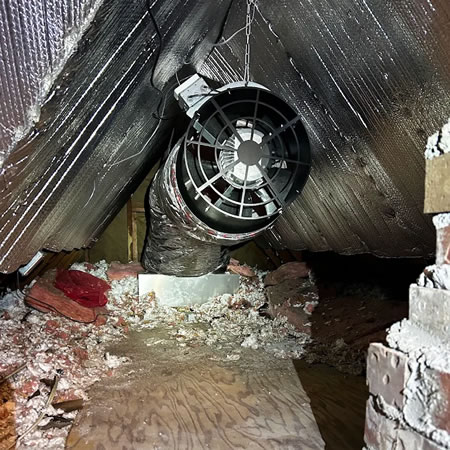
Homeowners across Orange County ask a smart question every summer: do you really need an attic fan and a whole house fan together? The short answer is that it depends on your home, your attic ventilation, and our local microclimates. If you are exploring options, you can compare systems in our whole house fan shop and see what fits your space and comfort goals.
How Whole House Fans And Attic Fans Work In Different Ways
A whole house fan cools your living spaces by pulling cooler outdoor air through open windows and pushing warm indoor air into the attic, which then exits through attic vents. It creates fast, natural airflow that can feel refreshing on Orange County evenings when sea breezes or inland cool-downs roll in.
An attic fan serves a different job. It moves hot air out of the attic itself, which helps lower attic temperature and reduce heat radiating into rooms below. In our area, that can matter on sunny days when roofs soak up heat from late morning through late afternoon.
Because they do different things, some homes benefit from both. The whole house fan improves comfort inside. The attic fan lowers the attic’s heat load and supports ventilation when the whole house fan is off.
Pros And Cons Of Running Both In Orange County Homes
Every house in Orange County is unique. A 1960s ranch in Tustin, a stucco two-story in Mission Viejo, and a coastal cottage in Newport Beach will not behave the same. Here is a balanced look at pairing the two systems.
- Potential benefits: faster evening cooldowns, less attic heat soaking down into top-floor rooms, and steadier comfort during shoulder seasons when nights are mild but days get warm.
- Added flexibility: an attic fan can help move heat on still afternoons when you are not ready to open windows for whole house cooling.
- Roof and duct protection: keeping attic temps more moderate can be good for roofing materials and stored items, especially in inland neighborhoods that run hotter.
- Possible drawbacks: more moving parts, more controls to manage, and higher power use if systems are not set up thoughtfully.
- Vent balance matters: if intake and exhaust are not balanced, one fan can fight the other and reduce performance.
- Noise considerations: older or undersized vents can hiss or whistle when airflow is high.
Local tip: Inland areas like Anaheim Hills, Yorba Linda, and Lake Forest often see hotter attic temperatures than coastal zones after 3 p.m. Right-sizing attic ventilation helps keep upstairs rooms steadier through late afternoon heat spikes.
When Pairing Makes Sense In Orange County, CA
Pairing often makes sense in homes with large or complex attics, darker roofing, or limited shade that allows heat to build up. Homes with bonus rooms over the garage, vaulted ceilings meeting attic cavities, or tight soffit intake can also benefit when an attic fan is added to support overall airflow strategy.
In coastal neighborhoods such as Huntington Beach or Costa Mesa, evening breezes can help a whole house fan shine. In those cases, an attic fan may still be useful for sunny spring days or marine layer mornings when humidity sits under the roof and you want steady attic air exchange without opening windows.
Homes Near The Coast Versus Inland Neighborhoods
Coastal homes often enjoy cooler night air, which whole house fans can pull in quickly for fast relief. Inland homes in Anaheim, Orange, or Fullerton see more intense afternoon roof heat. Here, an attic fan can help moderate attic temps during the day, then a whole house fan can clear heat after sunset.
In hillside or canyon areas, seasonal Santa Ana conditions can be very dry and breezy. The right controls and venting help maintain comfort while avoiding unnecessary run time.
Avoid Common Venting And Control Mistakes
Balanced intake and exhaust are essential. Without enough attic vent area, a whole house fan may not move air freely into the attic, and an attic fan may struggle to exhaust heat efficiently. A professional assessment looks at net free vent area, type and placement of vents, roof geometry, and how the fans will operate together through the seasons.
Controls matter too. Separate controls with clear labels reduce confusion for families. Many homeowners prefer to use the whole house fan for rapid evening cooldowns, then rely on smart settings for attic ventilation during the day. Running both at the same time in a poorly vented attic can cut performance or create pressure imbalances.
Noise and vibration can be minimized with quality mounts, gaskets, and proper sizing. If you have had issues with older equipment, a modern, energy-efficient whole house fan paired with the right venting plan can be noticeably quieter.
What A Professional Evaluation Includes
A trusted installer in Orange County will review your attic layout, measure or estimate existing intake and exhaust venting, look for blocked soffits, and confirm that the structure and electrical supply are appropriate for new equipment. You should also expect guidance on control locations, timer options, and family-friendly operation so that everyone knows which switch does what. Always use a licensed contractor for electrical or structural changes.
If your home already has one system, a professional can tell you whether adding the other will deliver a real comfort gain or if a tune-up and venting upgrade is the smarter path.
Whole House Fan Options For Orange County Homes
Today’s efficient, quiet systems can move a lot of air while using less energy than many older models. Homeowners in Santa Ana, Irvine, and Garden Grove often prioritize low sound levels for nighttime use and quick cooldown after kids’ bedtime. To explore models and sizes, visit our professional installation services page for details on how systems are matched to room count, attic volume, and venting.
For a closer look at different whole house fan choices, airflow ratings, and accessories, browse our curated selection in the whole house fan shop. You will see options suited to single-story ranch homes, multi-level floor plans, and renovated attics common across Orange County.
How To Decide If You Need Both In Your Home
Ask yourself how your house behaves from late afternoon to bedtime. Do upstairs rooms stay warm even after sunset? Does your attic feel like it never cools down? Are rooflines complex with multiple ridges and limited vent area? If these sound familiar, pairing may be worth a look.
Another clue is seasonal comfort. In spring and fall, a well-ventilated attic can reduce stuffiness on mild days when you are not ready to open windows. In summer, a whole house fan can clear heat quickly after dinner so bedrooms are comfortable by lights-out.
Do not assume one solution fits every house. The best setup is the one that matches your home’s attic volume, vent mix, and daily rhythms. A quick assessment can save time and avoid trial and error.
Local Comfort Patterns We See Across Orange County
In older neighborhoods in the City of Orange and parts of Costa Mesa, original soffit vents may be small or partially painted over. This can restrict intake airflow. In newer tracts around Irvine or Ladera Ranch, attics can be large with multiple subspaces that trap heat on sunny afternoons.
Coastal fog and marine layer mornings can leave attics cool but damp. Inland homes often run hot and dry by late afternoon. The right fan pairing and venting plan adjusts to these shifts so your home feels steady, not swingy.
Comfort Goals To Share With Your Installer
When you talk with a pro, be clear about sleep schedules, typical window habits, and which rooms run hot. If you work from home, mention office comfort needs and background sound preferences. This helps fine-tune fan size, venting improvements, and control locations.
Energy And Comfort Without Guesswork
Attic heat can push down into living spaces and make cooling uneven. The combination of a properly sized whole house fan and well-planned attic ventilation is about managing that heat and moving it out before it lingers. With the right plan, many homeowners report shorter AC runtimes and a fresher feel in the evening.
If you like to learn at your own pace, you can scan practical advice and local insights on our whole house fan tips page. It covers airflow basics, seasonal use cases in Orange County, and ways ventilation support can help your main system work better.
Why Work With Comfort Cool Fans
Choosing fans and venting is more than picking a box off a shelf. It is about sizing, placement, vent balance, and comfort goals for your family. Our team lives and works here, so we understand how Anaheim afternoons differ from Newport evenings, and how that affects fan selection and setup.
If you want a quick conversation about your home, call us at 800-206-7928. We will listen first, then outline options that fit your roof, attic, and daily routine.
For homeowners who prefer to start online, you can read how systems fit different floor plans and attic types on our site, then bring your questions to a visit. We are here to help you feel confident about your decision.
Next Steps For Orange County, CA Homeowners
If your goal is fast evening cooldown with quieter operation, start by learning about models sized for your square footage and attic volume. For a quick overview and to compare options, see our selection of whole house fans and note the airflow and sound features that match your comfort goals.
To understand how the two systems work together in your exact home, schedule a professional attic and airflow review. This is the fastest path to clarity without trial and error. For more on the basics and real-world use in our area, explore our whole house fan tips and share any questions with our team.
You can also learn what sets us apart on our homepage, starting with a primer on attic fan and whole house fan together in Orange County, CA so you know how these options support comfort across our coastal and inland microclimates.
Ready to feel the difference at home? Talk with Comfort Cool Fans at 800-206-7928 or take a closer look at systems that fit your space in our whole house fan shop. We will help you decide whether pairing makes sense and set up a plan that keeps evenings cooler, sleep deeper, and energy use sensible.